
Computing and Digital Literacy
Computing
At Wilbury Primary School, our aim in Computing is to develop confident, creative and responsible users of technology. We equip pupils with the knowledge and skills needed to understand digital systems, solve problems through computational thinking and create a range of digital content for purposeful audiences.
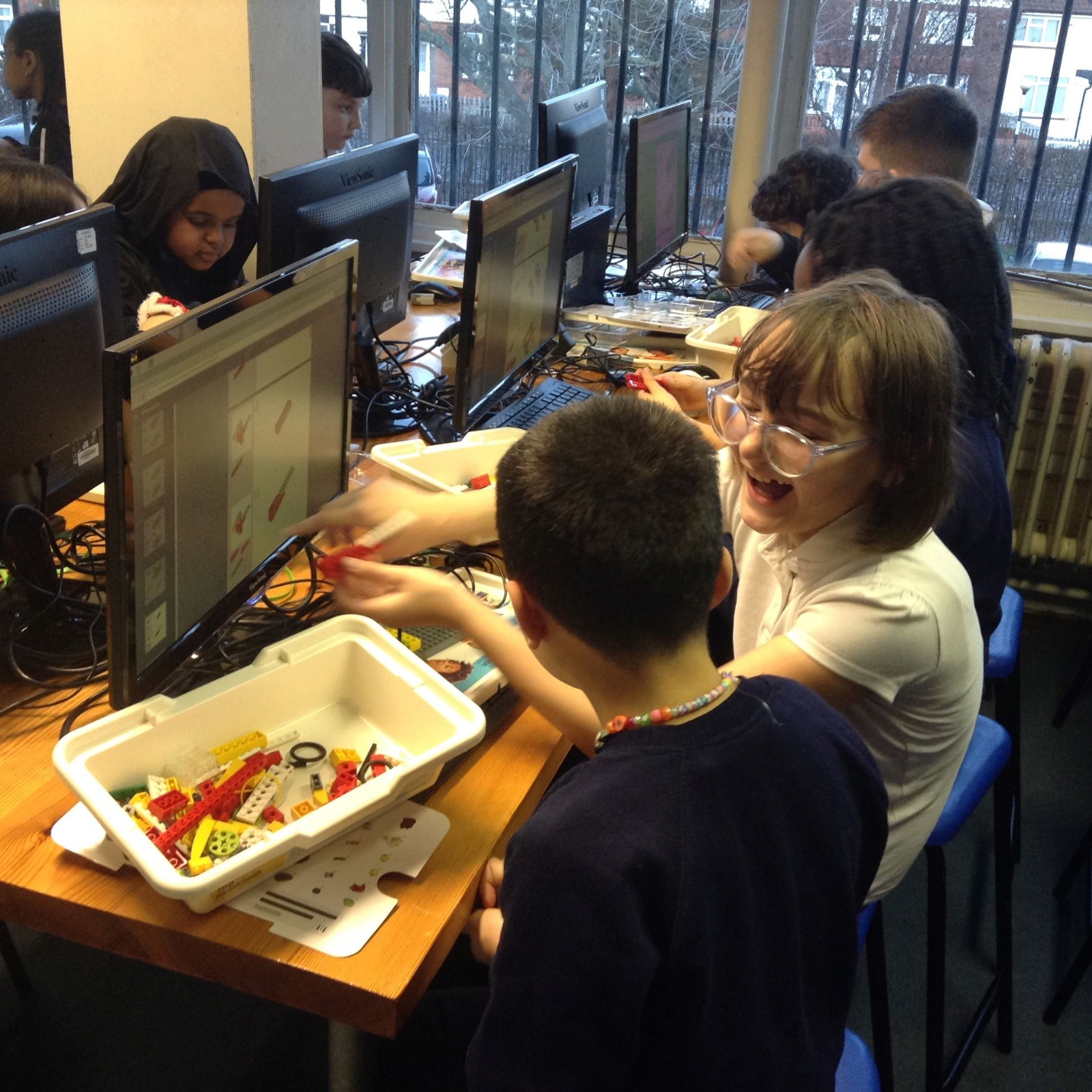
Our school is well resourced with a dedicated ICT suite, laptops, iPads and a range of digital technologies, giving pupils hands-on experience with a variety of devices. Every classroom is equipped with interactive displays, visualisers and audio technology, supporting learning across the curriculum.
Our bespoke Computing curriculum, delivered in partnership with CRINGE Technologies Ltd, is taught by a highly qualified specialist teacher. The curriculum is fully aligned with the National Curriculum and has been carefully designed to make meaningful links with learning across the wider curriculum, enabling pupils to apply their computing knowledge in authentic contexts.
The Computing curriculum is structured around three key areas:
- Computer Science - developing computational thinking and programming skills through creating algorithms, writing programs, debugging and understanding how digital systems operate.
- Information Technology - using technology purposefully to create, organise, store, manipulate and present digital content, including media, databases and spreadsheets.
- Digital Literacy - becoming safe, responsible and confident digital citizens who can evaluate information, communicate effectively and use technology appropriately in an increasingly digital world.
These areas are taught through a progressive sequence of learning that includes:
- Systems and Networks - understanding computers, devices, networks and the internet.
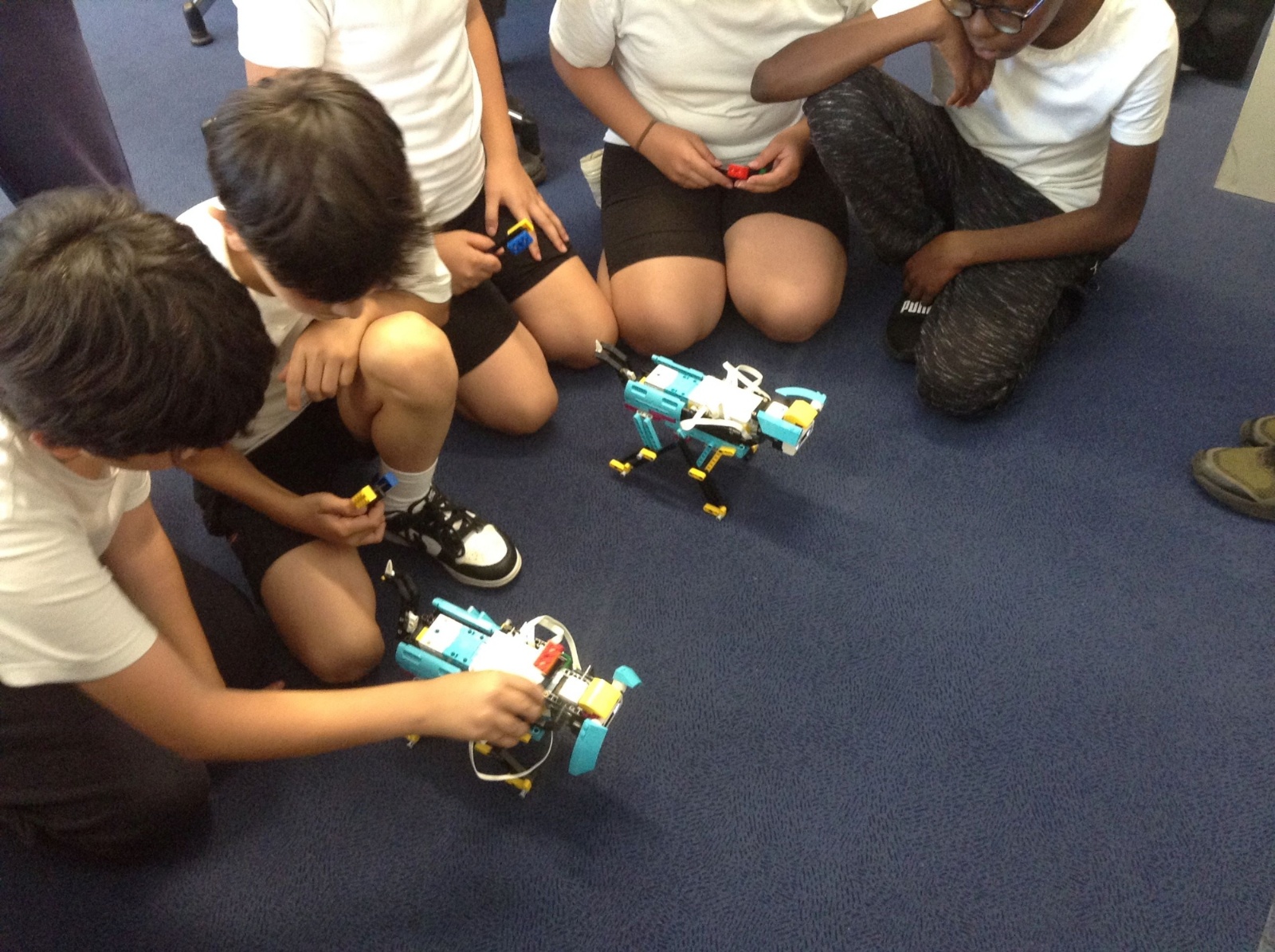
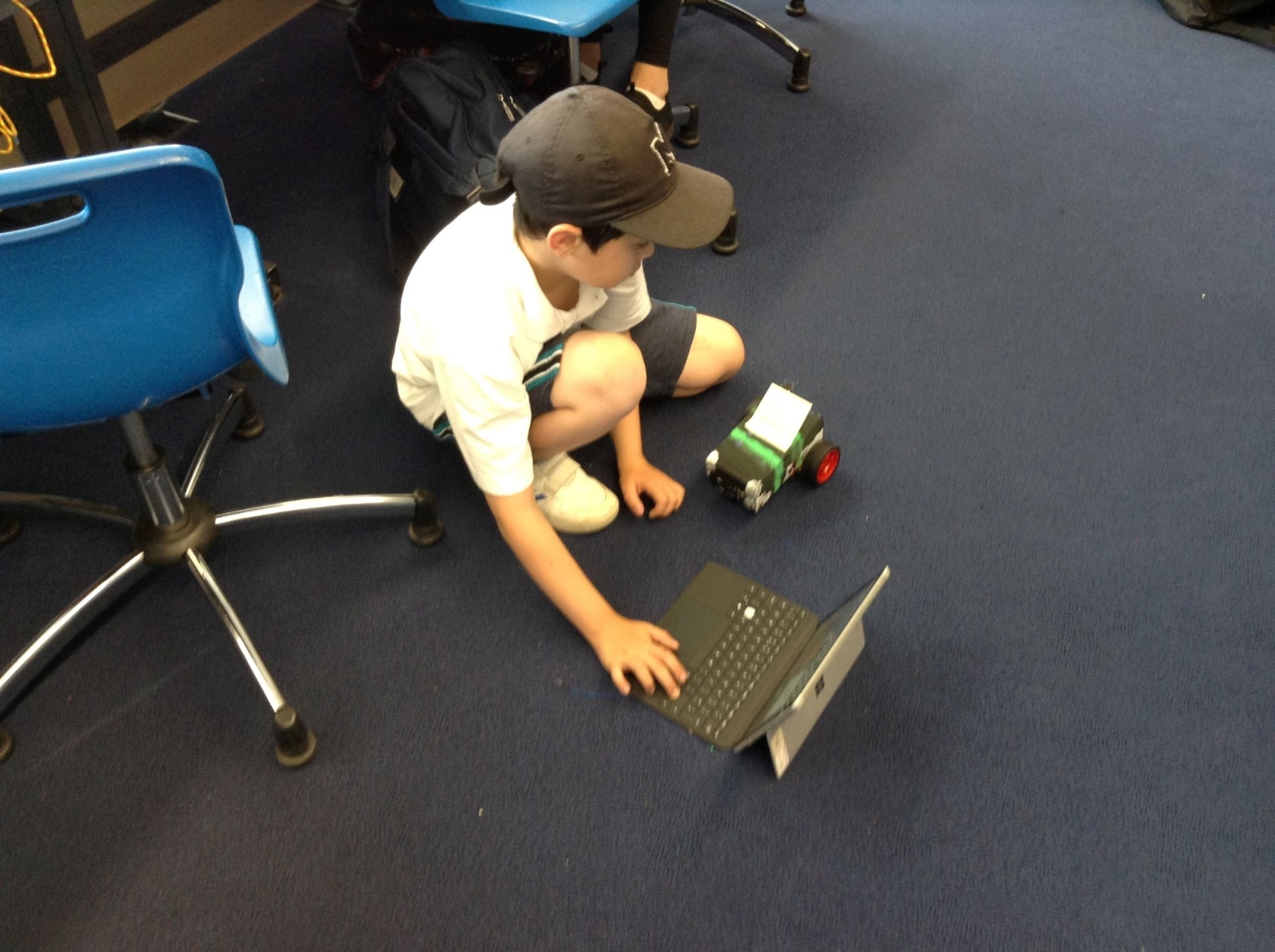
- Programming - designing, creating and debugging programs using a range of coding platforms and physical computing devices.
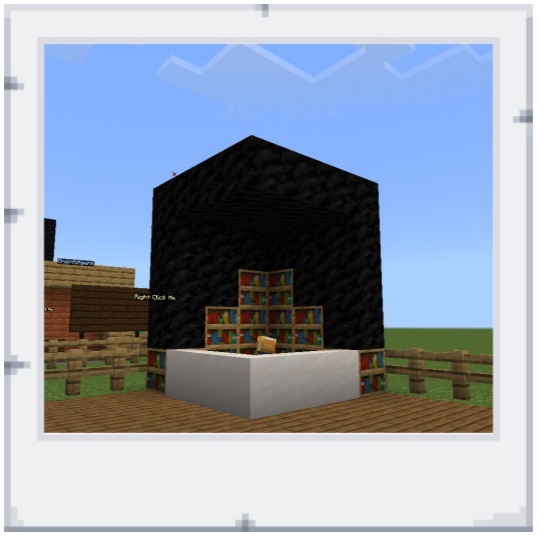
- Creating Media - producing digital content such as artwork, animation, photography, video, music, webpages and 3D models.
- Data and Information - collecting, organising, analysing and presenting data using databases, spreadsheets and data-logging tools.
- Digital Literacy and Online Safety - learning how to use technology safely, responsibly and respectfully, whilst developing skills in researching, evaluating and creating digital content.
Digital Literacy
In Digital Literacy lessons, children learn to use a range of devices purposefully to find, create, save and edit information. These skills are first taught explicitly in computing sessions and are then reinforced through opportunities to rehearse and apply them across the wider curriculum using our school devices.
At Wilbury, our Digital Literacy curriculum is built around three key strands:
- Device Confidence – developing the knowledge and skills to use a range of digital devices safely, effectively and independently.
- Research and Information – learning how to search for, evaluate, organise and use information responsibly.
- Content Creation – using digital tools to create, edit and present a variety of digital content.
Children demonstrate clear progression across these strands throughout their time at Wilbury. Skills and knowledge are carefully sequenced and built upon year by year, ensuring that pupils become increasingly confident, capable and responsible users of technology.
During their time at Wilbury, pupils are introduced to a wide variety of software that enables them to create documents, produce animations, edit videos, manipulate images and use spreadsheets with formulas to organise, analyse and present data.
By the time pupils leave our school, they have developed the knowledge, skills and confidence needed to understand and engage with an increasingly digital world, preparing them for the next stage of their education and future careers.
Extra Curricular Activities
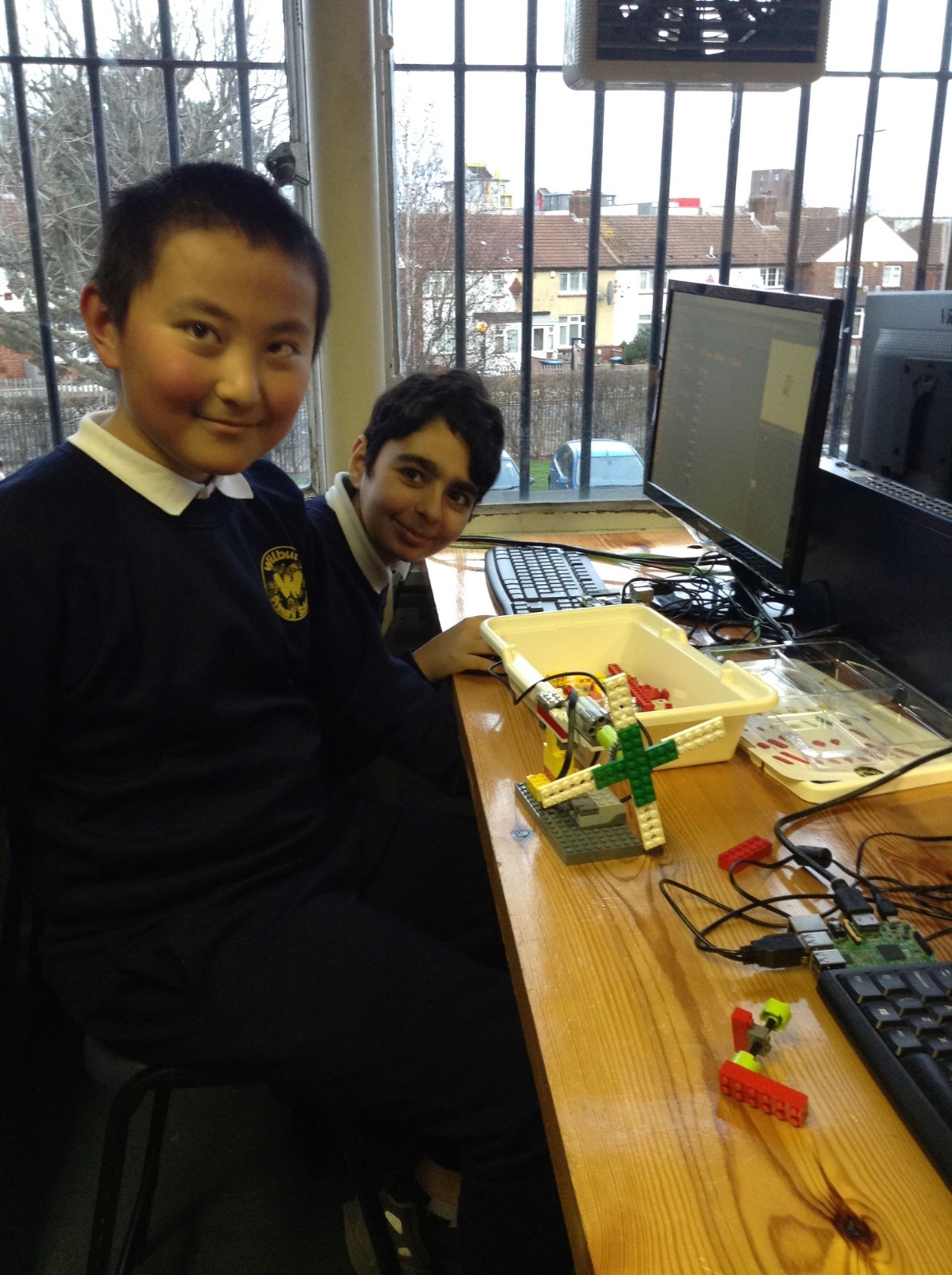
Throughout the year there are a range of different computing clubs on offer during and after school. There are also opportunities for children to apply to become digital leaders.
Below you can view the curriculum Intent, key learning at each stage (composite knowledge), and the Computing and Digital Literacy curriculums.